A good backlink sits on a relevant page, on a site covering your topic, and is one an editor would link to without payment. Relevance often beats raw size: a modest, topically aligned site can outperform a generic link from a large, unrelated domain.
Judge what makes a good backlink by contextual relevance, not link count or domain authority alone.
A niche blog link often beats a generic link from an unrelated high-authority site.
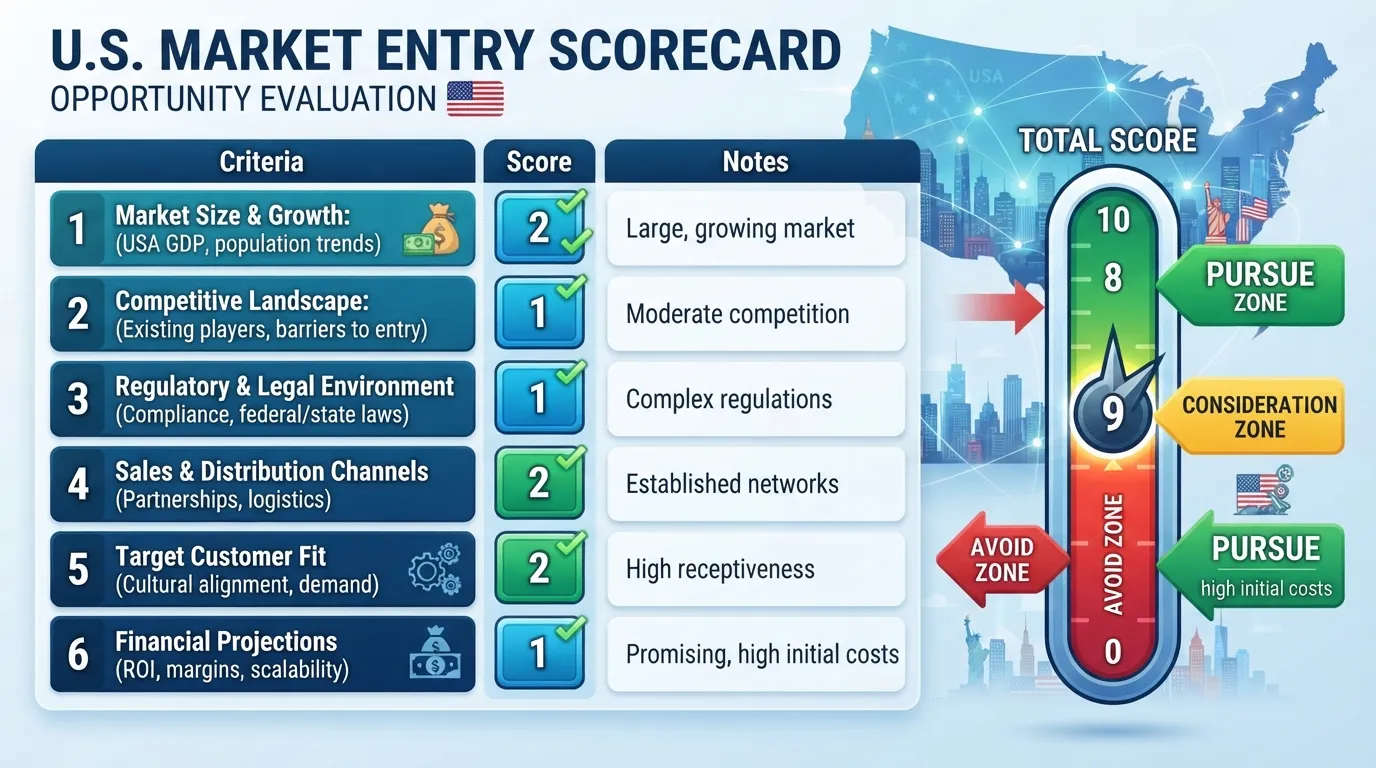
Score prospects on six criteria, each out of 2; pursue links scoring 8 or above out of 10.
Nofollow links still drive referral traffic and visibility.
Buying or selling links for ranking purposes is prohibited.
Table of Contents
What Is a Backlink, and Why Does Quality Matter?
Evaluating Backlinks and Avoiding Toxic Ones
Examples of Good Backlinks and What to Do Next
Conclusion
Frequently Asked Questions
What Is a Backlink, and Why Does Quality Matter?
A backlink is a link from another website pointing to yours, also called an inbound or external link. Search engines treat these links as votes of confidence, which makes them central to SEO and content strategy.
Good backlinks can improve search rankings, send referral traffic, and open doors to partnerships and media exposure.
Why quality outweighs quantity
Ten links from unrelated, low-trust sites can do less for you than one link from a respected blog in your field.
Relevance of the Linking Site to Your Niche
Search engines look at what a linking site publishes, not just who owns it. As PageOnePower puts it, links from sites whose content relates to your niche carry more weight.
Relevance of the Linking Page to Your Topic
Check the page carrying your link, not just the homepage. It should cover a topic that matches the keywords you target.
Authority and Trust of the Linking Site
Links from authoritative, trusted websites carry more credibility than links from new or thin sites. Industry associations and curated business directories are useful signals.
Dofollow vs. Nofollow Attributes
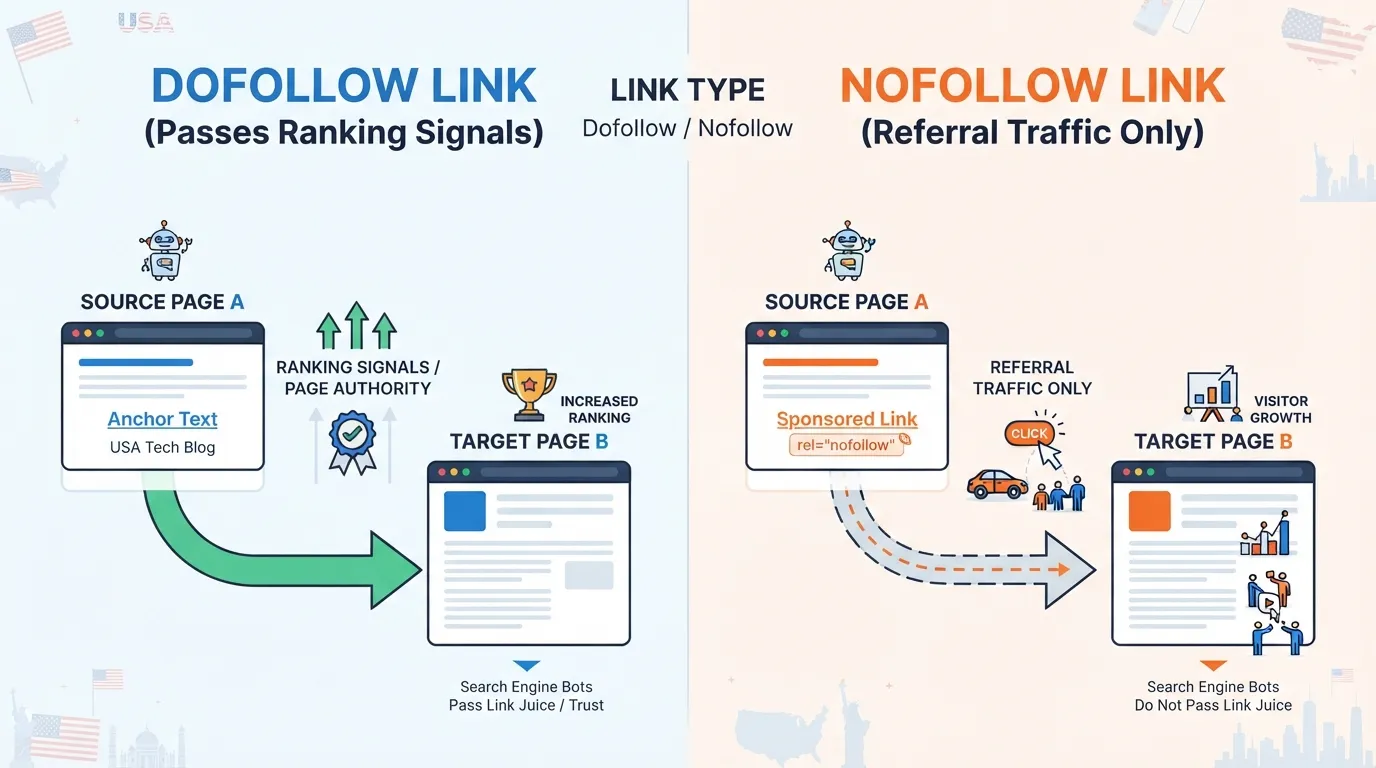
A nofollow link carries the rel=”nofollow” attribute and was originally used to combat spam. Google now treats nofollow as a hint rather than a strict instruction, so it may or may not pass ranking value, though it can still send referral traffic. A mix of both types is normal, but a solid base of dofollow backlinks from reputable sources is crucial for SEO success.
Evaluating Backlinks and Avoiding Toxic Ones
Assessing Backlink Quality: A Practical Checklist
This scorecard is a judgement-based heuristic for ranking prospects, not a search engine rule. Score each criterion 0, 1 or 2:
Relevance: 0 if unrelated, 1 if adjacent to your niche, 2 if the page directly covers your target topic.
Authority: 0 if new or unvetted, 1 if established but generic, 2 if a recognised industry association, trade publication or curated directory.
Placement: 0 for a sitewide footer or paid sidebar, 1 for a directory listing, 2 for an editorial link inside body content.
Anchor text: 0 for a repeated exact-match keyword, 1 for a brand name or bare URL, 2 for natural, descriptive wording.
Traffic: 0 if few readers visit, 1 if some visits, 2 if real readers are likely to click through.
Attribute: 0 if spammy or unvetted, 1 if nofollow from a reputable source, 2 if dofollow from a reputable source.
Add the six scores to get a total out of 12, then divide by 1.2 for a 10-point view. The cut-offs of 8 and 4 suit most teams, so adjust them to your niche. A strong niche link can still be worth pursuing even if it scores slightly lower.
Worked example: scoring one real prospect
A marketing association publishes a resource directory with a listing page for digital marketing tools. The listing sits inside the page body, links to a relevant tools guide, uses descriptive anchor text, and gets regular visits from members. For a professional’s website, a link like this carries real credibility and relevance, because the audience reading it is already interested in the topic.
Criterion
Score
Reason
Relevance
2
Directly covers digital marketing tools
Authority
2
Recognised industry association that vets listings
Placement
2
Editorial link inside body content
Anchor text
2
Descriptive wording such as “SEO tools guide”
Traffic
2
Members browsing the directory are likely to click
Attribute
2
Dofollow from a reputable source
The total is 12 out of 12, or 10 out of 10: an immediate pursue. A sitewide footer link on an unrelated directory would score 0 on placement and relevance, placing it in the avoid zone.
Ask whether a specific page would link to you for a reason a reader would recognise. A high-authority site scoring 0 on relevance drops out, even if it tops a generic list.
Anchor Text Optimization
A natural profile mixes brand names, URLs, generic phrases and descriptive terms. Avoid one dominated by identical exact-match keywords, which looks engineered and invites scrutiny. Search engines read anchor text in context, so descriptive wording that matches the linked page’s content carries more value than a repeated keyword.
Natural Link Acquisition vs. Building Links
The strongest links are earned. Publish original research or a genuinely useful resource, and relevant, authoritative sites will link to it. Link building that serves the reader tends to hold up better than volume-driven tactics, since genuine relationships with editors and peers produce links that pass credibility and relevance. Valuable content gives editors a reason to link, which is the core of a sound SEO strategy.
How a US Professional Earns a First Editorial Link
Your first relevant editorial link usually comes from giving an editor something worth citing. Three tactics work well:
Offer an expert comment. Reply to relevant journalist requests with a short, specific answer and a link to your work.
Publish a resource others reference. A clear guide, checklist or dataset on a narrow topic gives writers a reason to link.
Pitch a correction or update to an existing article. Send the editor a precise update with a source. Editors can add a link when they accept the fix.
How to Find Relevant Linking Prospects in the US Market
Search Google for your core topic alongside terms such as “resources”, “directory”, “association” or “guest post”, and note pages linking to competitors.
Use a backlink tool to pull referring domains of two or three competitor pages, filtering for sites in your industry.
Check each candidate for body-content links, a clear topic match and real readers, then score it.
Shortlist prospects scoring 8 or above, and draft outreach pointing to a specific, useful resource on your site.
Risks of Cheap or Paid Links
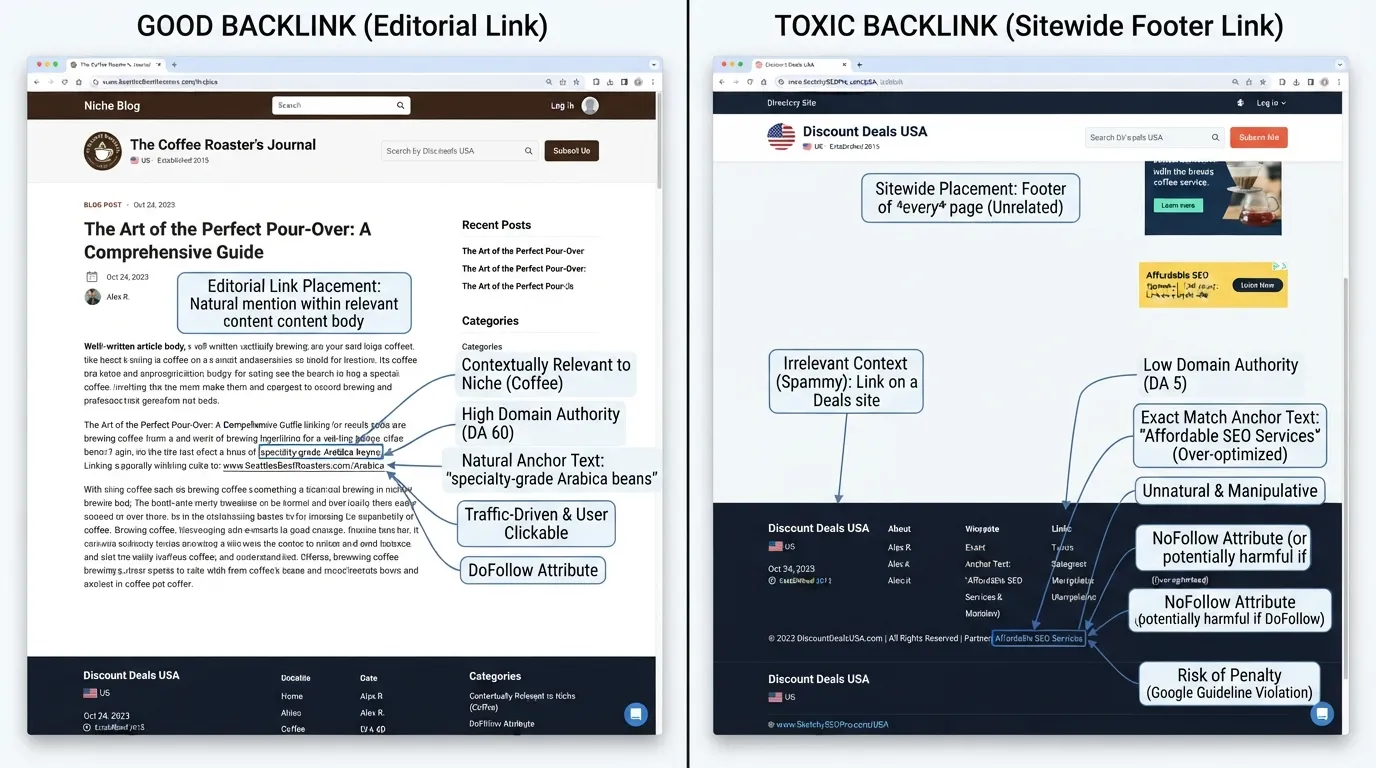
Toxic links include link farms, irrelevant sites, spammy forums and sitewide footer links. Not all links are created equal, and buying or selling links for ranking purposes is prohibited. Purchases from shady sources can lead to search engine penalties. Google’s link spam and link schemes guidance sets out what counts as a manipulative link.
When to Disavow
Google says most sites never need to disavow links. Its disavow links documentation explains that disavowal is for manipulative links you cannot remove by contacting the site owner. Treat a score of 4 or below as a reason to review a link first, and disavow only where removal has failed and the links look manipulative. Clean, relevant links to your website’s credibility are rarely a problem, so focus disavowal on the links that genuinely look manipulative.
Examples of Good Backlinks and What to Do Next
A good backlink is easier to recognise once you have seen one: an editorial link from a niche industry blog citing your original research, a recognised association directory listing, or a local news feature. The strongest ones carry real credibility and relevance to the page they point to. Not all backlinks are created equal, so judge each one on the quality of the site linking to you, not just the count.
Trait
Good backlink
Toxic backlink
Relevance
Linking page matches your topic
Page unrelated to your niche
Placement
Editorial text within the body
Sitewide footer or paid sidebar
Anchor
Natural, descriptive wording
Repeated exact-match keyword
Source
Reputable, trusted site
Link farm or spammy forum
Your Next Steps
Audit your current profile. Score each linking domain using the scorecard and flag anything scoring 4 or below.
Prioritise outreach targets. Pursue authoritative sites scoring 8 or above, since backlinks from reputable sources do the most to build your website’s authority.
Track results. Record each acquired link, its referral visits and ranking movement.
Conclusion
A good backlink comes from a relevant page, sits in body text, uses natural anchor text and is dofollow from a reputable source. Link count and domain authority alone tell you little. Score prospects before outreach.
Frequently Asked Questions
Is a dofollow backlink always better than a nofollow one?
No. Dofollow links can pass ranking signals, but a relevant nofollow link still drives referral traffic. PageOnePower’s guide to quality backlinks notes a mix of both is normal.
How many backlinks does a site need?
There is no fixed number. A few relevant, trusted links often beat many weak ones.
Can a single high-authority backlink outweigh many weak ones?
Yes, if it is relevant. One editorial link from a respected field blog can outweigh many unrelated links.
How do I tell if a backlink is toxic?
Look for irrelevant sites, sitewide footer links, and repeated exact-match anchors. Review links scoring 4 or below.
Does anchor text still matter for backlinks?
Yes. Natural, varied anchors read as editorial, while repeated exact-match anchors look manipulative. The PageOnePower guide notes anchor text can indicate quality.
About the author
Tom Koh
Tom is the CEO of MediaOne, a leading digital marketing agency. He is a business-experienced SEO consultant as well as a Google Gold Search Expert serving the international community. He has consulted for MNCs like Canon, Maybank, Capitaland, SingTel, ST Engineering, WWF, Cambridge University, as well as Government organisations like Enterprise Singapore, Ministry of Law, National Galleries, NTUC, e2i, SingHealth. His articles are published and referenced in CNA, Straits Times, MoneyFM, Financial Times, Yahoo! Finance, Hubspot, Zendesk, CIO Advisor. Under his stewardship, MediaOne has won dozens of prestigious digital marketing awards.
Your website has 150 published articles. Some attract consistent organic traffic, others haven’t generated a meaningful visit in months, and several cover nearly identical…
Writing a good advertisement sounds simple until you have to create 15 different headlines, stay within character limits, communicate your product’s benefits, and make…
Verifiability matters more than speed when publishing AI-generated content. An AI content generator turns a short brief into draft copy, and its usefulness depends…