An AI writing tool can generate an article faster than most editors can finish reviewing its brief.
That’s impressive until you look at what happens next.
The editor checks the sources. Three statistics are outdated, two product features aren’t supported by the vendor’s documentation, and a comparison table makes recommendations without showing any evidence of actual testing.
Several paragraphs repeat the same information, the introduction takes too long to answer the reader’s question, and the article doesn’t contain anything substantially different from the other pages already covering the topic.
The draft took five minutes to generate. Making it publishable takes two hours.
This is the problem with evaluating AI writing tools primarily on how quickly they produce text.
Drafting is only one part of editorial production, and it isn’t necessarily where your team spends the most valuable time.
Research, source verification, preparing briefs, structuring arguments, editing, fact-checking, publishing, and updating existing articles can all require substantial work.
AI can help with many of these activities. It can organise research, identify missing questions, suggest outlines, improve clarity, check consistency, and prepare variations of approved content.
But it can also create additional work through unsupported claims, repetitive writing, invented examples, and polished-looking drafts that don’t contain enough original value.
The question isn’t simply whether AI belongs in an editorial workflow.
It’s where AI genuinely reduces work, where human judgement remains essential, and how to measure whether the finished content is actually better.
In this guide, we’ll examine seven editorial stages, compare different categories of AI writing tools, and explain how to build a workflow that improves efficiency without sacrificing accuracy or editorial standards.
We’ll also show how to calculate the real cost per published article instead of treating faster drafting as automatic productivity improvement.
Where AI Writing Tools Actually Help: The Editorial Workflow
Before choosing an AI writing tool, it helps to separate editorial production into distinct tasks.
A writer researching a new software category has different needs from an editor checking the accuracy of an existing product comparison.
Likewise, a content manager overseeing 100 articles per month needs different capabilities from a freelancer producing four carefully researched articles.
Here’s how I’d divide the workflow.
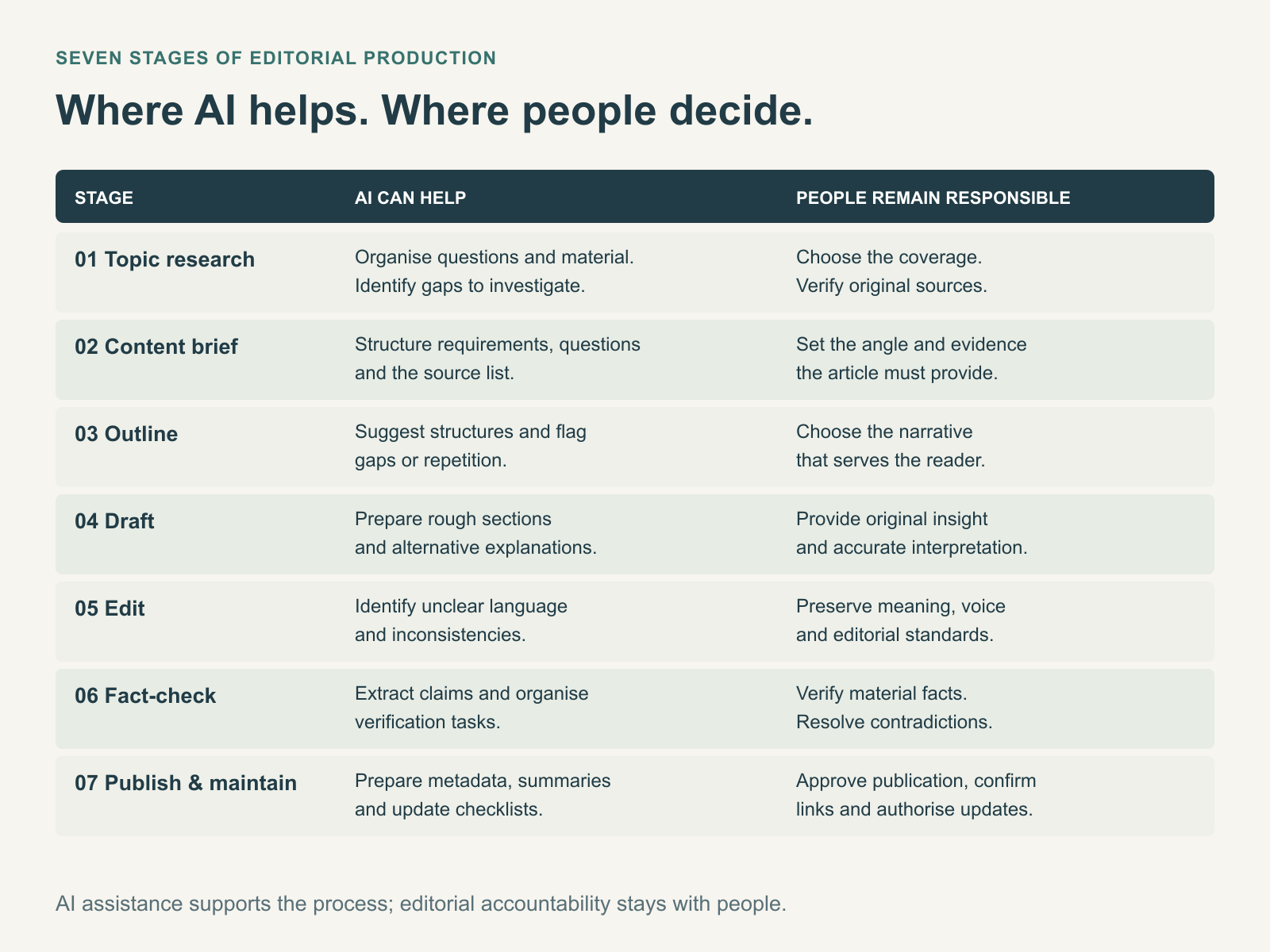
Editorial Stage
Where AI Can Help
What Still Needs Human Judgement
1. Research
Organising information, finding research gaps, summarising supplied sources
Source credibility, original investigation, factual verification
2. Brief preparation
Creating structured assignments, audience questions, and requirements
Search intent, editorial angle, original evidence requirements
3. Outlining
Comparing possible structures and identifying missing sections
Choosing the most useful narrative and information hierarchy
4. Drafting
Preparing initial explanations, variations, and supporting copy
Meaning, nuance, editorial standards, final decisions
6. Fact-checking
Extracting claims and preparing verification logs
Confirming facts against authoritative sources
7. Publishing and updates
Preparing metadata, link suggestions, change summaries, and checklists
Publication approval, final QA, performance interpretation
The real opportunity is to give AI tasks that are repetitive, time-consuming, or easy to verify.
The more a task depends on evidence, experience, ethics, or business context, the more carefully a human editor should control the outcome.
Let’s examine each stage.
1. Research: Use AI to Find Questions, Not Invent Answers
Research is one of the most promising applications of AI in editorial work.
Tools can help organise documents, compare different explanations, identify unanswered questions, and build a research plan.
However, they aren’t a substitute for verifying sources.
Where AI Research Helps
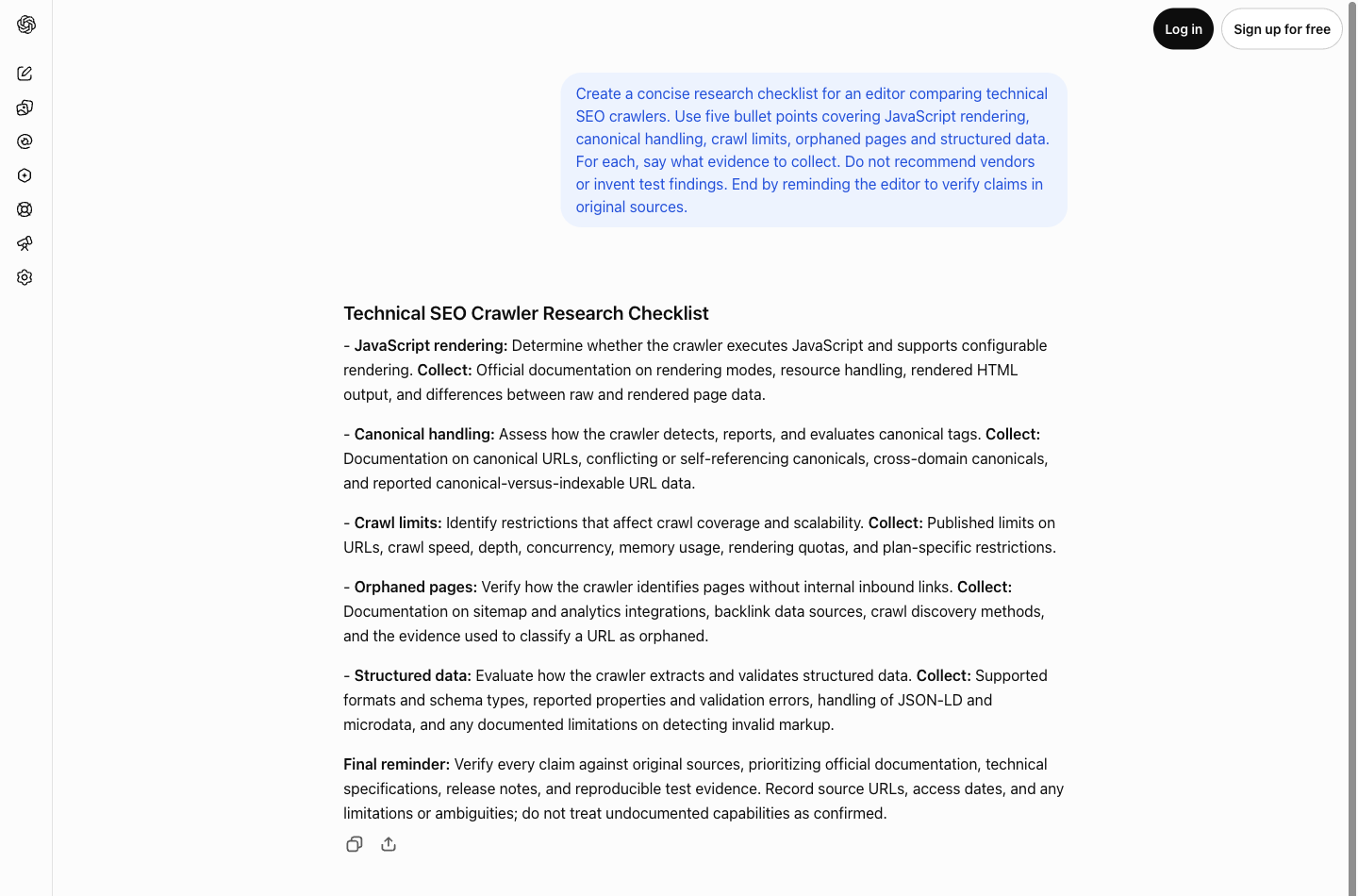
Imagine you’re preparing an article comparing technical SEO auditing software.
You need to understand which tools support JavaScript rendering, how they handle canonical tags, and which plans include scheduled crawling.
An AI assistant can help organise those requirements into a research framework.
For example, you could ask it to create a comparison checklist covering crawl limits, rendering capabilities, indexing diagnostics, integrations, exports, and reporting.
That gives the writer a more systematic approach than opening ten vendor websites without a defined plan.
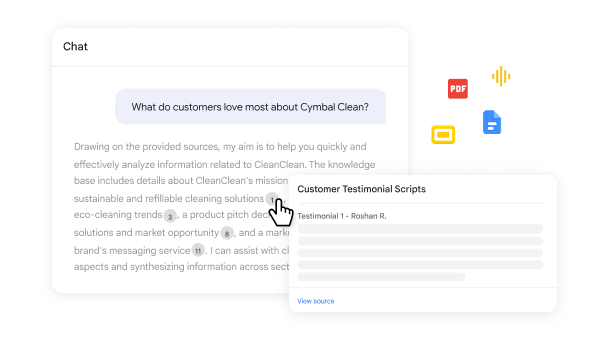
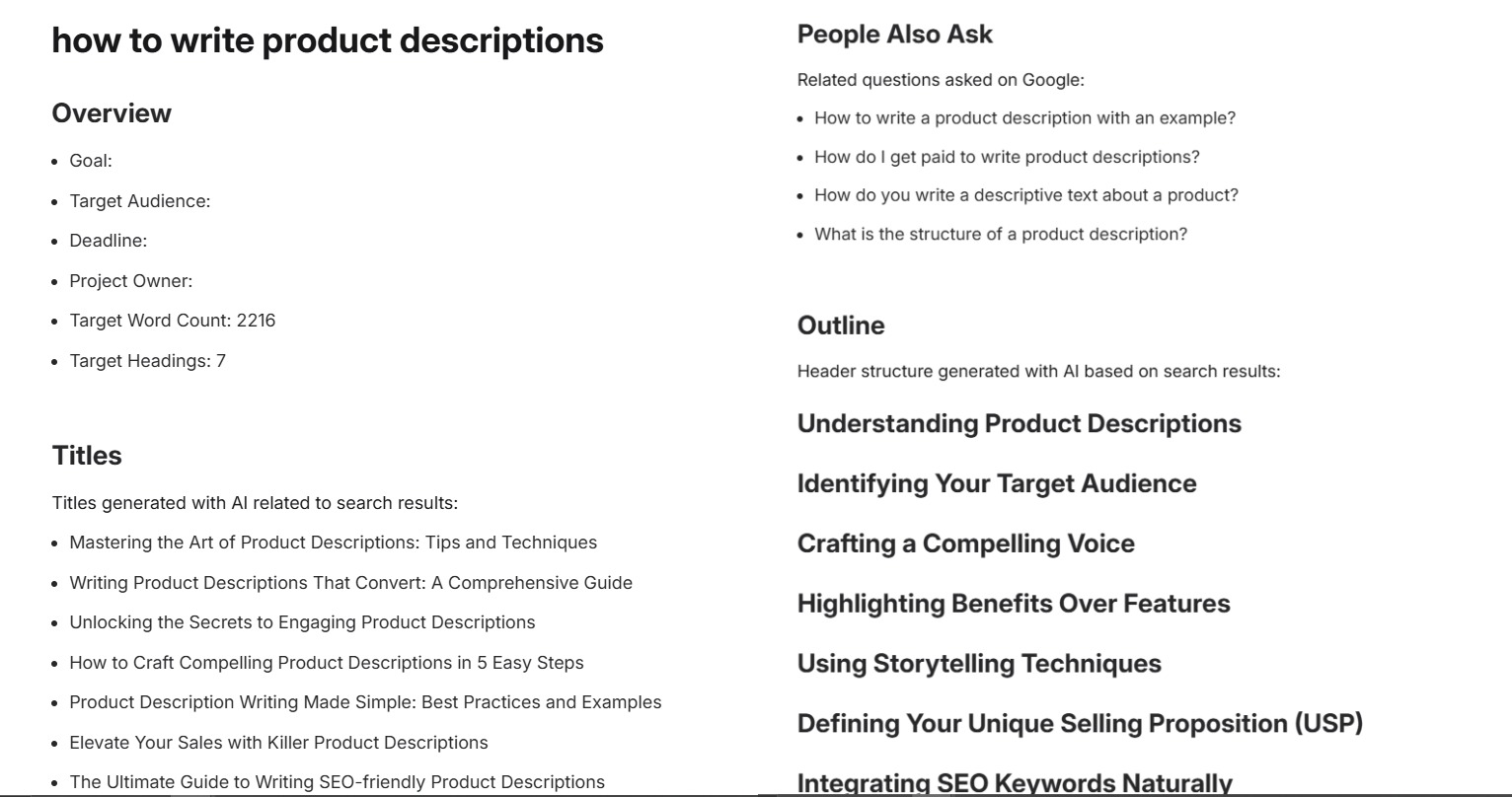
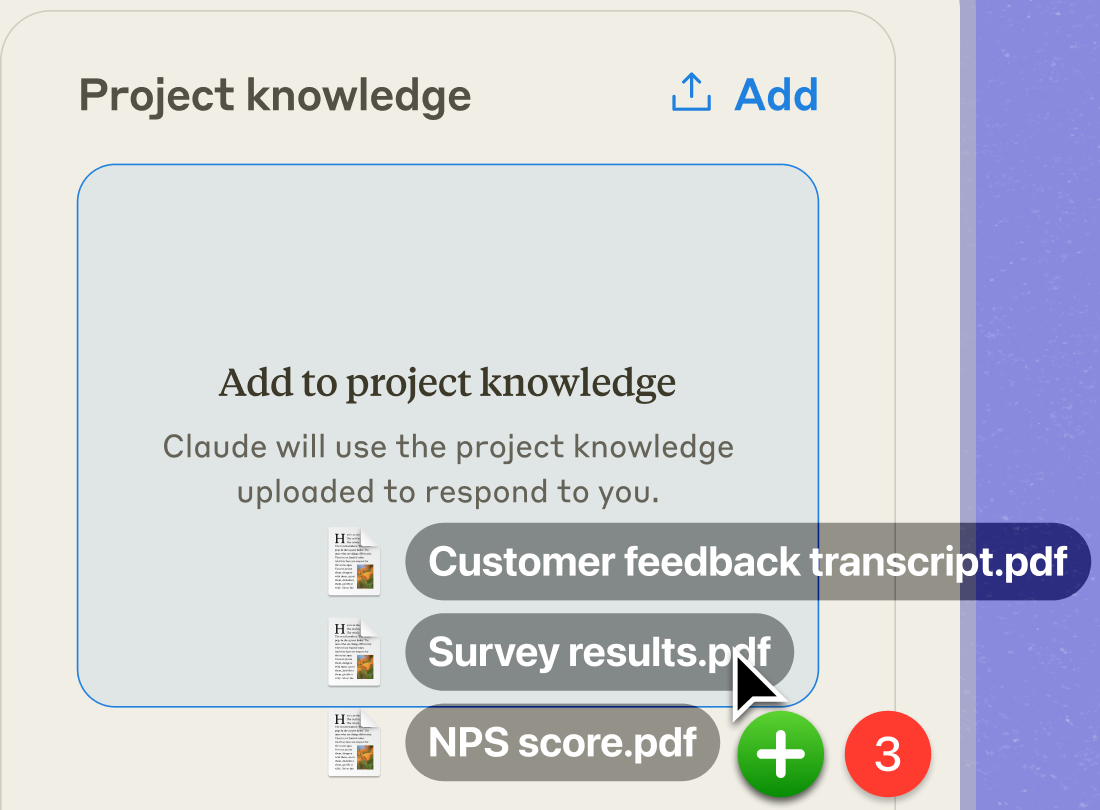
Tools such as ChatGPT, Claude, and NotebookLM can support different research tasks, including working with documents, summarising material, and organising findings.
The useful output isn’t necessarily a finished paragraph.
It might be a research table showing which claims need verification and where the writer should look.
Where AI Research Becomes Dangerous
Suppose an AI assistant reports that a software platform offers unlimited projects for $49 per month.
The information sounds plausible and may even come with a link.
But the source could be an outdated pricing page, an old promotional offer, or a higher-tier subscription.
If the writer copies that information without checking it, the published article becomes inaccurate.
This is particularly risky when researching product prices, technical specifications, case studies, regulations, or recent developments.
A cited source isn’t automatically a source that supports the claim.
Our recommendation: Use AI to accelerate research preparation, but treat generated factual statements as unverified until you’ve checked the underlying evidence.
2. Content Briefs: One of the Best Places to Introduce AI
A weak content brief can create hours of unnecessary editing.
Consider this assignment:
“Write 2,000 words about the best project management software. Target the keyword ‘best project management tools’ and include a comparison table and FAQ.”
The writer knows the topic and word count.
But they don’t know which audience they’re writing for, which products deserve inclusion, what evidence is required, or how the article should differ from existing comparisons.
An AI tool can produce a draft from that instruction.
The result will probably contain familiar features, generic recommendations, and a conventional listicle structure.
The problem isn’t necessarily the generator.
The brief never established what a good article should accomplish.
What a Useful AI-Assisted Brief Includes
A stronger brief defines the reader, decision, evidence requirements, and editorial approach before writing begins.
Brief Element
Weak Instruction
Stronger Instruction
Audience
Business owners
Operations managers at companies with 10–50 employees
Search intent
Find the best tools
Compare tools based on collaboration, reporting, and onboarding requirements
Editorial angle
Top project management software
Which platforms are suitable for small teams that don’t have dedicated project managers?
Evidence
Include pros and cons
Verify plan limits, pricing, integrations, and documented features
Original value
Make it detailed
Include a reproducible onboarding evaluation and buyer decision matrix
Limitations
None
Distinguish tested observations from documentation-based claims
AI can help transform an incomplete assignment into a structured brief.
However, the editor must still approve the angle and evidence requirements.
An AI-generated brief shouldn’t decide that a product deserves first place simply because it appears frequently in competing articles.
A Practical Brief-Generation Prompt
Create an editorial brief for a comparison of project management tools for teams with 10–50 employees. Include search intent, audience questions, a recommended structure, evidence requirements, comparison criteria, and claims requiring verification. Do not invent product testing or assume vendor information is current. Identify what additional research is required before drafting.
The goal is to produce an assignment that reduces ambiguity.
A strong brief makes it easier for writers to deliver useful content on the first attempt and for editors to evaluate the work consistently.
Our recommendation: If your team struggles with repeated revisions, improve the brief before buying another AI drafting tool.
3. Outlining: AI Is Useful for Structure, Not Editorial Direction
Once research is underway, AI can help organise the information into a logical article.
This is especially useful when a draft contains many relevant facts but lacks a clear narrative.
For example, an editor may have research covering ten SEO platforms, their pricing, technical features, and customer requirements.
The difficult part is deciding how to present those findings.
Should the article begin with a comparison table? Should the methodology appear before individual product reviews? Which differences matter most to readers?
An AI assistant can propose alternative structures and explain how each supports a different audience.
What Good Outlining Looks Like
For a software comparison, a useful structure might include an immediate answer, a comparison table, decision criteria, individual product assessments, pricing, limitations, and recommendations by use case.
But this shouldn’t become a mandatory template for every article.
A technical tutorial needs a different structure from an investigative report.
A case study may benefit from presenting the problem, method, evidence, results, and limitations.
An opinion article may need a clear argument and supporting examples rather than a large comparison table.
The outline should reflect the subject, not merely the conventions the AI model has learned from similar pages.
Where AI Outlining Fails
One common failure is unnecessary expansion.
An assistant may suggest twelve sections because other articles in the category contain similar headings.
That doesn’t mean those sections are relevant.
For example, an article explaining how to fix a specific WordPress error probably doesn’t need a thousand-word history of WordPress.
The best structure helps readers reach the information they need.
Our recommendation: Ask AI to identify missing questions, duplicated topics, and possible structures. Let the editor decide what belongs in the final article.
4. Drafting: AI Can Produce Copy, but It Cannot Invent Experience
Drafting is the most visible AI writing capability.
It is also where teams can most easily mistake output volume for editorial progress.
A tool may generate 5,000 words in minutes, but the word count says little about accuracy, originality, or usefulness.
For example, an AI-generated comparison of marketing software might provide reasonable descriptions of product categories.
But if it says, “We tested all ten platforms and found that Tool A performed best,” that becomes a serious problem when no such test occurred.
The statement implies original evidence that doesn’t exist.
Where AI Drafting Works Well
AI drafting can be useful for tasks based on already verified material.
Examples include converting an approved outline into a working draft, rewriting technical explanations for a less experienced audience, creating alternative introductions, or adapting verified content for different formats.
The key is to supply the information the draft is allowed to use.
If you’ve already conducted an experiment, an AI assistant can help organise your findings into readable prose.
It shouldn’t invent test conditions or outcomes to make the article more convincing.
Where It Shouldn’t Take the Lead
Original reporting, expert interviews, firsthand product reviews, sensitive recommendations, and investigative claims require evidence that cannot be replaced by fluent language generation.
A software review should not describe hands-on testing unless the reviewer actually used the software.
A customer case study shouldn’t include revenue improvements that the client hasn’t documented.
A technical guide shouldn’t introduce unsupported configuration steps merely because they sound reasonable.
These aren’t minor copyediting issues. They affect whether readers can trust the article.
The Better Drafting Workflow
Provide the AI tool with a completed brief, verified source material, documented findings, and clear boundaries.
Specify which claims must remain attributed, which findings are hypothetical, and which information is missing.
If the available evidence doesn’t support a section, the correct output is to flag the gap—not fill it with plausible text.
Our recommendation: Use AI drafting to transform verified material into an editable document. Don’t allow it to manufacture the research that should support the document.
5. Editing: Where AI Can Deliver More Practical Value
Editing is frequently a better use case for AI than generating a complete article from scratch.
An editor working with a long draft may need to identify repetition, unclear explanations, inconsistent terminology, weak transitions, and sections that don’t serve the search intent.
AI can help surface these problems quickly.
Structural Editing
Imagine reviewing a 4,000-word article about GEO tracking software.
The introduction defines GEO, the next section defines it again, and three later sections repeat the same explanation of brand mentions and citations.
An AI assistant can help identify those overlaps.
The editor can then consolidate the material into a more coherent structure.
This is different from simply asking the tool to “make the article better.”
A targeted instruction produces a more useful review.
For example:
Review this draft for structural problems only. Identify repeated explanations, missing transitions, irrelevant sections, and questions the article fails to answer. Quote the relevant headings and recommend specific changes. Do not rewrite the entire article or add new facts.
Copyediting and Readability
AI can also assist with grammar, sentence structure, clarity, and consistency.
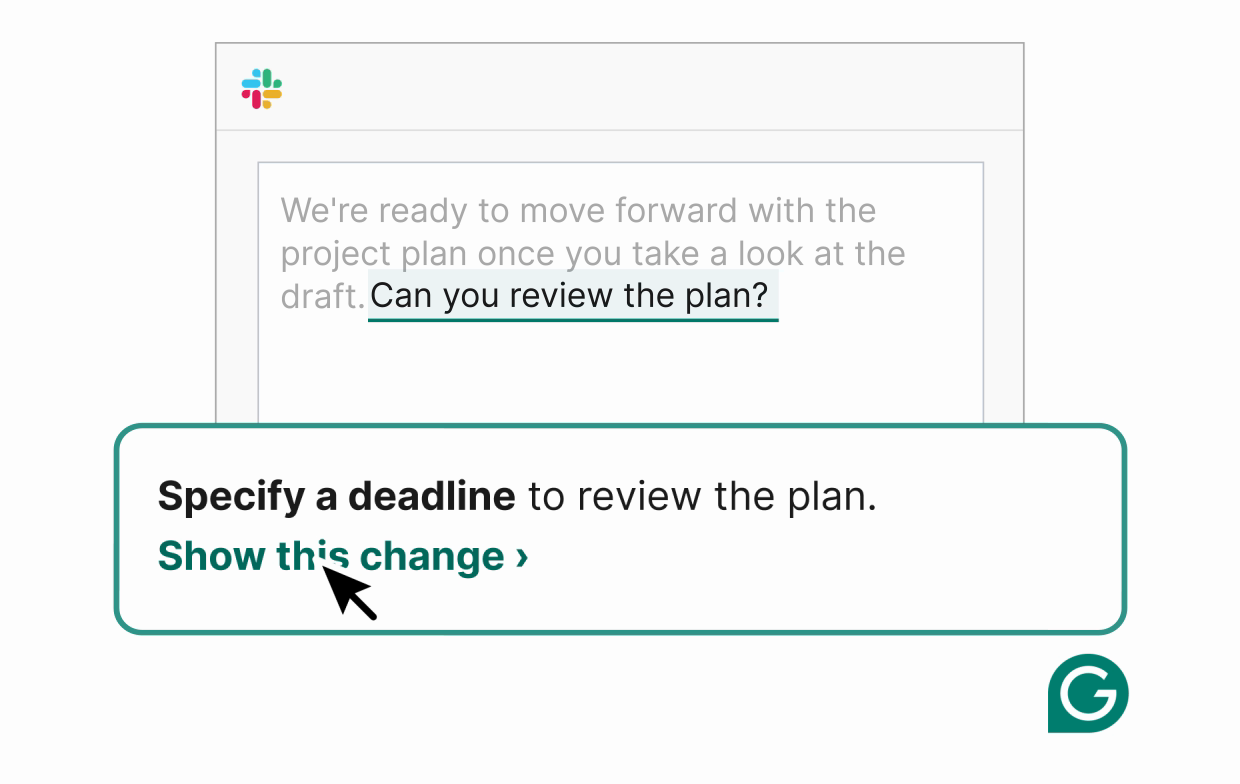
Tools such as Grammarly, ChatGPT, Claude, and other writing assistants offer different forms of language editing.
However, editors should avoid accepting changes automatically.
A suggestion may improve grammatical smoothness while weakening the intended meaning.
For example, changing “may improve visibility under certain conditions” into “improves visibility” removes an important qualification.
A sentence can become more confident and less accurate at the same time.
Preserving the Writer’s Voice
One problem with aggressive AI rewriting is that it can make different writers sound identical.
Distinctive examples disappear, paragraphs become generic, and unfamiliar but accurate expressions are replaced with standard marketing language.
An editor should preserve useful personality and original observations.
The objective isn’t to remove every unusual sentence.
It’s to make the writing understandable without erasing what makes it worth reading.
For teams choosing dedicated optimisation software, our comparison of SEO content optimisation tools explains how these products differ in research, content scoring, and editorial workflows.
Our recommendation: Use AI as an editorial assistant that identifies potential improvements. Keep acceptance, rejection, and final wording under human control.
6. Fact-Checking: AI Can Build the Checklist, Not Sign It Off
Fact-checking is one of the most important editorial stages and one of the easiest to misunderstand.
AI can help identify factual claims, organise verification tasks, and compare a draft against supplied source documents.
But asking another AI model whether the first model is correct doesn’t automatically establish that the information is true.
Two systems can repeat the same inaccurate claim.
Build a Claim Verification Register
For complex articles, create a structured record of material factual statements.
For example:
Claim
Required Evidence
Verification Status
Tool A costs $49/month
Current official pricing page
Not yet verified
Tool B supports five AI engines
Current vendor documentation
Not yet verified
Tool C increased customer conversions by 40%
Original case study with relevant context
Not yet verified
Tool D offers unlimited projects
Relevant plan documentation
Not yet verified
This table is illustrative, not evidence that these product claims are correct.
The benefit is that it makes verification visible.
A writer or editor can identify what remains uncertain before publication.
What an AI Fact-Checking Assistant Should Do
A useful assistant can extract claims, link them to supplied source passages, flag unsupported assertions, and identify contradictory dates or numbers.
It can also distinguish whether an article contains actual test findings or merely describes a proposed methodology.
However, the editor must examine the primary sources and decide whether they support the claims.
A verified URL alone is insufficient.
The page must actually substantiate the statement being made.
High-Risk Claims Need Greater Scrutiny
Not every sentence requires the same level of verification.
A general explanation of what an SEO audit is may require less investigation than a current software price, a legal requirement, a medical claim, or a reported financial result.
Prioritise claims that could materially influence a reader’s decision.
Also check for fabricated sources, misleading quotations, outdated information, and incomplete comparison tables.
Our recommendation: AI should help make fact-checking systematic. Final verification and publication approval must remain with an accountable editor.
7. Publishing and Content Updates: AI Should Support Quality Assurance
Editorial work doesn’t end when the draft is approved.
The article still needs metadata, internal links, formatting, image descriptions, a final quality check, and appropriate publication settings.
Over time, the content also needs maintenance.
AI can help with both stages, provided it isn’t allowed to publish unverified changes automatically.
Pre-Publication Quality Assurance
A practical QA pass should examine the following:
Check
What to Verify
Search intent
The article answers the reader’s main question
Factual accuracy
Important claims are supported by appropriate sources
Originality
The article provides evidence, examples, or insights beyond generic summaries
Internal links
Links point to relevant, live pages rather than placeholders
External links
Sources are authoritative and support nearby claims
Formatting
Headings, paragraphs, lists, and tables are readable
Visual evidence
Screenshots and charts accurately represent the subject
Disclosure
Sponsorship, review limitations, and other relevant relationships are clear
Metadata
Title, description, and URL reflect the article
Final approval
An authorised editor has approved publication
AI can assist in reviewing these requirements.
However, it should not report that links were checked unless they were actually opened and verified.
Likewise, it shouldn’t mark factual claims as verified merely because they sound plausible.
Updating Existing Articles
Content maintenance can also benefit from AI.
Suppose your website contains hundreds of software comparison articles.
Some may have outdated pricing, unsupported claims, broken links, or old screenshots.
An AI assistant can help identify potential update candidates and organise revision requirements.
For example, it could compare a current vendor pricing page against the prices in an older article, or produce a list of claims requiring rechecking.
An editor should then decide whether the article needs a minor update, substantial rewrite, or replacement.
The goal is not to refresh dates mechanically.
It’s to ensure the content remains accurate and useful.
For teams managing large libraries, maintaining existing articles may deliver more value than continuously producing new ones.
Which AI Writing Tools Fit Each Editorial Task?
Not every AI writing platform is designed for the same job.
General-purpose assistants are flexible. Other tools specialise in source-based research, grammar, content optimisation, or workflow management.
Tool or Category
Strongest Editorial Use
Main Limitation
ChatGPT
Research planning, briefs, structural review, rewriting, analysis
Output requires verification; quality depends on source access and instructions
Claude
Long-document analysis, structural editing, working with supplied material
Source and factual claims still require independent checking
NotebookLM
Researching and summarising selected source materials
Its source collection may still be incomplete, outdated, or misunderstood
Grammarly
Grammar, tone, clarity, and language consistency
A clearer sentence isn’t necessarily a more accurate one
Frase
Content briefs, SERP-oriented research, and SEO content workflows
SEO recommendations require editorial judgement
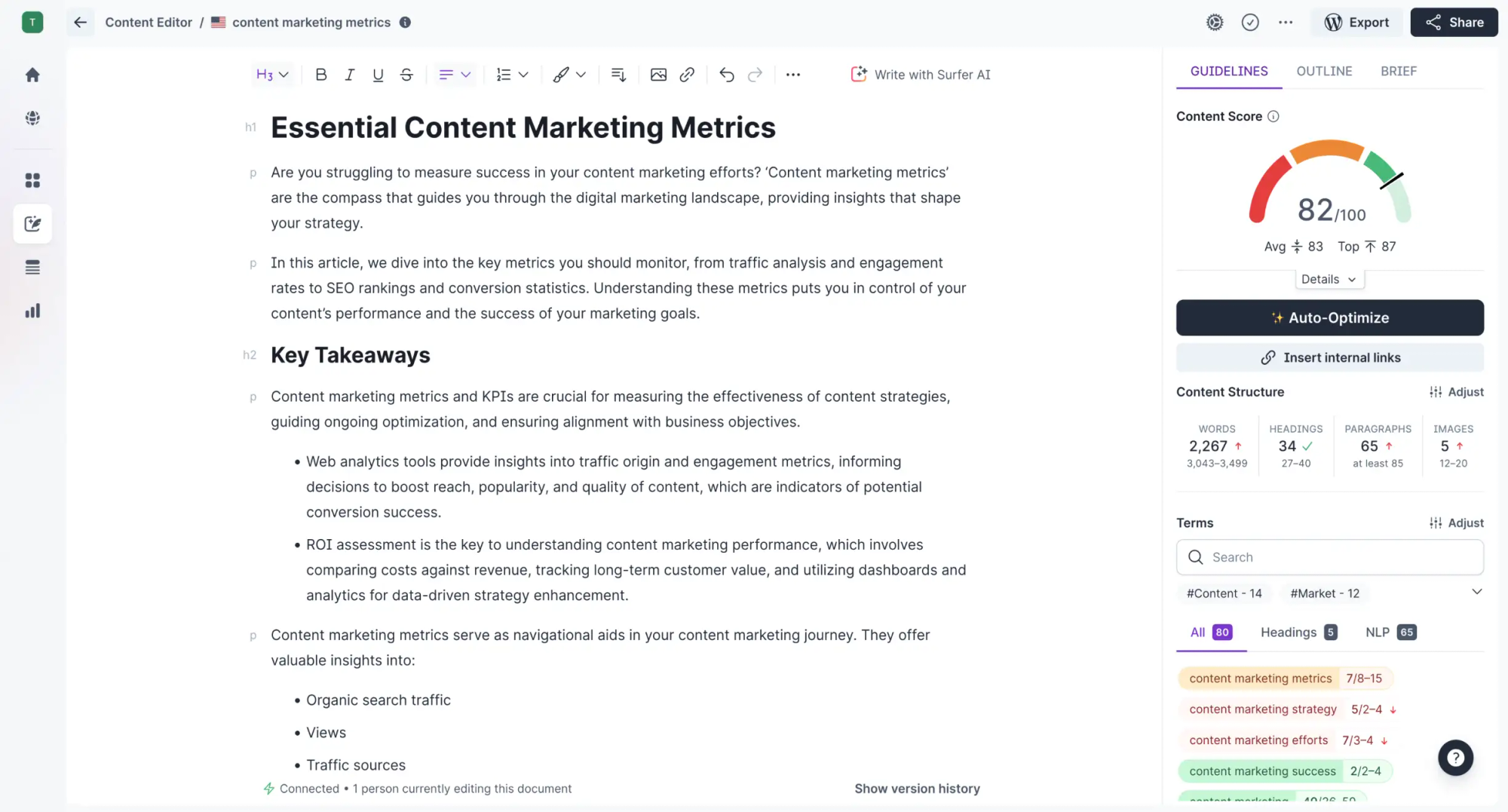
Surfer SEO
Content optimisation and topic coverage guidance
Higher content scores don’t guarantee originality or rankings
Existing CMS and editorial tools
Assignments, approvals, publishing, and version management
AI features don’t replace a clear editorial process
This is a workflow comparison rather than a hands-on ranking of product accuracy or quality.
The right tool depends on the work your team needs to improve.
For instance, if your writers regularly submit incomplete briefs, a research and briefing workflow may provide more value than another full-article generator.
If drafts are factually strong but difficult to read, editing support may be more relevant.
And if your main problem is delayed publication approvals, buying better writing software may not address the bottleneck at all.
The Editorial Tasks AI Shouldn’t Own
Some responsibilities should remain explicitly assigned to humans.
Original Reporting and Firsthand Experience
AI can organise interview notes and research materials, but it shouldn’t invent conversations, testing observations, or personal experiences.
If a software comparison claims ten products were tested, there should be an actual test record.
If a case study describes business results, those figures should come from documented evidence.
Final Factual Approval
AI can identify possible problems, but the editor should decide whether the supporting evidence is sufficient for publication.
This is particularly important for material that affects purchasing, financial, medical, legal, or operational decisions.
Editorial Position and Recommendations
An AI assistant can compare advantages and disadvantages.
However, recommending a product as the best option should depend on relevant evidence, the audience’s needs, and a transparent methodology.
A generated recommendation is not itself a product test.
Sensitive or Confidential Information
Editors should confirm the organisation’s data-handling requirements before uploading unpublished reporting, confidential client information, customer records, or sensitive business documents to external AI services.
Privacy controls and permitted data use differ between services, accounts, and commercial agreements.
Final Publication Responsibility
A draft should not move directly from AI generation to a live website without appropriate review.
Even automated content workflows need clearly defined approval rules, monitoring, and correction processes.
This is consistent with the approach taken by established news organisations such as the Associated Press, which emphasises human editorial responsibility and verification when using generative AI.
Does Google Penalise AI-Written Content?
Google’s guidance doesn’t establish a blanket ban on content simply because AI helped create it.
Instead, Google emphasises helpful, reliable, people-first content.
Its official guidance on generative AI content explains that using generative AI to create many pages without adding user value may violate its scaled content abuse policies.
The important distinction is the purpose and quality of the content, not whether a particular paragraph was typed by a person or generated by software.
For example, using AI to improve the clarity of a technically accurate article isn’t inherently the same as publishing hundreds of generic pages designed primarily to manipulate search rankings.
However, AI assistance doesn’t exempt content from ordinary quality expectations.
An article still needs accurate information, useful explanations, original value, and a clear purpose.
AI Content Scores Aren’t Search Ranking Guarantees
Some writing and SEO tools assign content scores based on topic coverage, headings, related terms, or other factors.
These measurements can be useful for identifying potential gaps.
But a higher score doesn’t establish that the article is more accurate, original, or helpful.
A page can include every suggested keyword while failing to answer the reader’s actual question.
A Better AI-Assisted Editorial Workflow: From Brief to Publication
For teams producing content regularly, I’d use a structured workflow where AI handles clearly defined supporting tasks.
Here’s an example for a 2,000-word software comparison article.
Stage
AI Responsibility
Human Responsibility
Required Output
Research planning
Identify questions and research gaps
Approve sources and investigate claims
Research register
Brief preparation
Organise intent, sections, and requirements
Set angle and evidence standards
Approved brief
Outlining
Suggest structure and identify overlaps
Approve information hierarchy
Final outline
Drafting
Prepare working copy from supplied material
Add original observations and verify interpretation
Working draft
Structural editing
Flag repetition, unclear sections, and gaps
Restructure and decide what belongs
Edited draft
Fact-checking
Extract claims and map them to evidence
Verify against authoritative sources
Completed fact-check log
Final QA
Check formatting, metadata, and link inventory
Review, approve, and publish
Publishable article
The advantage isn’t that every task becomes automated.
It’s that each stage has a defined output and someone responsible for approving it.
This helps prevent a common failure in AI content production: a draft moving through several rounds of editing without anyone checking whether the underlying research is sufficient.
How to Measure Whether AI Actually Saves Editorial Time
The simplest productivity measurement is often the wrong one.
If a tool reduces drafting time from three hours to 20 minutes, that sounds like a major improvement.
But what happens if the fact-checking and editing workload doubles?
The relevant metric is total production time for an approved article.
Example: Manual vs. AI-Assisted Production
Consider a hypothetical 2,000-word software comparison.
Editorial Task
Manual Workflow
AI-Assisted Workflow
Research and source verification
120 min
100 min
Brief and outline
60 min
30 min
Drafting
150 min
40 min
Structural editing
45 min
65 min
Fact-checking
45 min
75 min
Publishing and QA
30 min
30 min
Total
450 min
340 min
Illustrative example, not a measured experiment.
The AI-assisted workflow reduces total production time from 7.5 hours to approximately 5.7 hours.
That’s a saving of 110 minutes, or about 24%.
But look more closely.
Drafting became much faster, while structural editing and fact-checking became slower.
This illustrates why tool-generated speed claims don’t describe the full production cost.
If an AI draft is particularly inaccurate, the additional verification work could eliminate the time savings entirely.
Calculate Cost per Approved Article
Use:
Cost per Approved Article = (Labour Cost + AI Tool Allocation + External Costs) ÷ Approved Articles
Assume the editorial labour rate is $25 per hour.
The manual workflow costs:
7.5 hours × $25 = $187.50
The AI-assisted workflow costs approximately:
5.67 hours × $25 = $141.75
Add a hypothetical $3 software allocation per article.
The AI-assisted cost becomes approximately $144.75, compared with $187.50 manually.
That’s a saving of around $42.75 per approved article under these assumptions.
However, the calculation is only meaningful if both workflows produce work that meets the same editorial standards.
A cheaper article isn’t better value if it’s inaccurate, generic, or needs another major rewrite after publication.
How to Evaluate AI Writing Tools Properly
If you’re comparing AI writing tools, don’t simply ask each one to generate the same article and rank the outputs by how polished they look.
A better comparison includes several tasks that reflect real editorial work.
For example, give each tool the same source documents and ask it to identify unsupported claims, create a brief, recommend structural changes, and improve an existing draft without inventing information.
Then record the actual results.
Proposed 100-Point Editorial Evaluation Framework
Evaluation Criterion
Weight
What to Measure
Factual reliability
25%
Unsupported or inaccurate claims introduced
Editorial usefulness
20%
Quality of research plans, briefs, and structural recommendations
Instruction adherence
15%
Whether the tool respects sources, scope, and editorial constraints
Editing efficiency
15%
Time required to reach an approved output
Voice and clarity
10%
Whether meaning and distinctive writing are preserved
Workflow integration
10%
How easily results move through review and publishing
Cost and usage limits
5%
Total cost for the required workload
Total
100%
These are proposed evaluation weights, not results from a completed benchmark.
For a more reliable test, ask multiple editors to review outputs against a predefined standard.
Retain the drafts, source materials, detected errors, editing times, and reviewer decisions.
This makes the results more useful than a subjective comparison of whichever draft sounds best.
The Three Metrics I’d Monitor Every Month
For a content team adopting AI, I’d prioritise three measurements.
Time to approved article: How long does production take from approved brief to publication-ready content?
First-pass approval rate: What percentage of drafts pass editorial review without requiring a substantial rewrite?
Material error rate: How often are unsupported claims, inaccurate facts, or serious editorial problems discovered before or after publication?
Together, these reveal whether your workflow is becoming faster and more reliable.
A rising article count means little if the approval rate is falling or errors are increasing.
Do You Need Another AI Writing Subscription?
Not necessarily.
Many marketing teams already pay for tools covering research, keyword analysis, grammar, writing, content optimisation, and publishing.
Adding another platform can increase complexity without removing a meaningful bottleneck.
Before subscribing, ask what the new software will allow your team to do that it cannot already do efficiently.
For example, a dedicated content brief platform may be valuable if your editors repeatedly spend hours preparing assignments.
An AI writing assistant may be useful if writers need help organising supplied research.
But a team that already generates drafts quickly and struggles with fact-checking may benefit more from better evidence management and editorial procedures.
You should also consider usage limits, seats, document allowances, integration requirements, and data-handling policies.
Our recommendation: Buy software to solve an observed workflow problem, not simply because it promises to generate more words.
A Practical AI Editorial Policy for Content Teams
Every organisation using AI regularly should define a few basic rules.
The policy doesn’t need to be complicated, but it should identify what AI is allowed to do, what requires approval, and which claims must be supported by evidence.
For example:
Editorial Activity
Suggested Policy
Research summaries
Allowed with source verification
Content briefs
Allowed with editor approval
Outlines
Allowed with editorial review
Drafting from approved materials
Allowed with source and accuracy checks
Invented interviews, tests, or case studies
Not permitted
Unsupported quotations or statistics
Not permitted
AI-generated product rankings without evidence
Not permitted
Automated publication
Only under explicitly approved, controlled workflows
Sensitive client information
Subject to organisational privacy and data-use rules
Corrections
Must follow the publication’s established correction process
The policy should also explain when AI use requires disclosure.
Disclosure expectations may differ by publication, content type, contractual obligation, and the material role AI played in creating the work.
For example, minor grammar assistance may not require the same disclosure as substantially AI-generated material or synthetic reporting.
The important principle is that readers shouldn’t be misled about what was researched, tested, witnessed, or created by the publication.
Final Verdict: Use AI to Improve Editorial Decisions, Not Just Produce More Drafts
AI writing tools can make editorial production faster, but speed alone isn’t a useful measure of quality.
The real opportunity is to improve the parts of the workflow that consume time without necessarily adding original value: organising research, preparing briefs, finding structural problems, checking consistency, and managing routine production tasks.
Drafting can benefit too, especially when the source material is already verified.
But a generated article isn’t automatically a researched article. A confident recommendation isn’t evidence of testing, and a polished paragraph isn’t proof of factual accuracy.
For content teams, the best approach is to give AI clear responsibilities while keeping human editors accountable for the decisions that matter.
Start with one workflow problem, measure how much time the tool actually saves, and track whether the approved output meets the same quality standards.
Don’t reward a tool simply because it generates more text.
The best AI writing workflow isn’t the one that publishes the most articles with the fewest people. It’s the one that helps your team produce accurate, distinctive, useful content with less unnecessary work.
Frequently Asked Questions
Where Should AI Writing Tools Fit in an Editorial Workflow?
AI writing tools are particularly useful for organising research, preparing briefs, suggesting outlines, editing drafts, extracting factual claims, and supporting publishing checks.
They can also assist with drafting when the source material and requirements are clear.
Human editors should remain responsible for original reporting, factual verification, editorial judgement, and publication approval.
Can AI Replace Content Writers and Editors?
AI can automate or accelerate some writing tasks, but it doesn’t independently provide the firsthand experience, original reporting, accountability, or contextual judgement required for many editorial projects.
Its usefulness depends on the type of content and the workflow supporting it.
What Is the Biggest Risk of Using AI for Content Creation?
One of the biggest risks is publishing plausible but inaccurate information.
AI-generated content may contain unsupported claims, outdated product details, invented examples, or misleading interpretations.
These problems can be particularly difficult to identify when the writing sounds confident and professional.
Is AI Better for Editing Than Writing?
For some teams, yes.
AI editing can help identify repetition, unclear language, structural problems, and inconsistent terminology without requiring the tool to invent new information.
However, editors should still review changes to ensure that meaning, nuance, and voice are preserved.
How Do You Fact-Check AI-Written Articles?
Start by extracting the material factual claims.
Then verify them using appropriate primary sources, official documentation, original research, or other reliable evidence.
Record unresolved claims and remove or qualify statements that cannot be supported.
Using another AI assistant can help organise verification, but it doesn’t replace checking the sources themselves.
Does Google Penalise AI-Generated Content?
Google does not describe all AI-assisted content as automatically violating its policies.
Its guidance focuses on helpfulness, reliability, originality, and whether content is created primarily to manipulate search rankings.
Mass-producing pages without adding meaningful value can violate its scaled content abuse policies.
How Can You Measure AI Writing Productivity?
Measure total time from brief to approved article, not just initial drafting time.
Also track revision cycles, first-pass approval rates, material factual errors, and cost per approved article.
These indicators provide a more useful picture of editorial efficiency than word count alone.
What Is the Best AI Writing Tool for Editorial Teams?
There isn’t one best option for every team.
General-purpose tools such as ChatGPT and Claude can support research, outlining, and editing. NotebookLM is useful for working with selected sources, while Grammarly focuses on language and clarity.
Specialised SEO content tools may be useful when briefing or optimisation is the main bottleneck.
Should AI-Written Content Be Disclosed?
Disclosure depends on the content, the publication’s standards, applicable requirements, and how materially AI contributed.
Organisations should establish clear policies and avoid misleading readers about authorship, original reporting, product testing, or the origin of information.
About the author
Tom Koh
Tom is the CEO of MediaOne, a leading digital marketing agency. He is a business-experienced SEO consultant as well as a Google Gold Search Expert serving the international community. He has consulted for MNCs like Canon, Maybank, Capitaland, SingTel, ST Engineering, WWF, Cambridge University, as well as Government organisations like Enterprise Singapore, Ministry of Law, National Galleries, NTUC, e2i, SingHealth. His articles are published and referenced in CNA, Straits Times, MoneyFM, Financial Times, Yahoo! Finance, Hubspot, Zendesk, CIO Advisor. Under his stewardship, MediaOne has won dozens of prestigious digital marketing awards.
Your website has 150 published articles. Some attract consistent organic traffic, others haven’t generated a meaningful visit in months, and several cover nearly identical…
Writing a good advertisement sounds simple until you have to create 15 different headlines, stay within character limits, communicate your product’s benefits, and make…
Verifiability matters more than speed when publishing AI-generated content. An AI content generator turns a short brief into draft copy, and its usefulness depends…